ServicesEV Charger Installation
EV Charger Installation in River Oaks
We install Level 2 chargers on a dedicated circuit sized to your car, your panel and the way you drive. Before anything goes on the wall, we check your electrical load, so the charger works alongside the rest of your home instead of tripping breakers on a hot August evening.
The circuit matters as much as the charger
A Level 2 charger uses 240 volts and adds range many times faster than an ordinary wall outlet. Most drivers plug in during the evening and wake up to a full battery. The job is a dedicated circuit with correctly sized wire, a properly rated breaker, and either a hardwired unit or a heavy-duty receptacle placed so the cable reaches your charge port without lying across the floor.
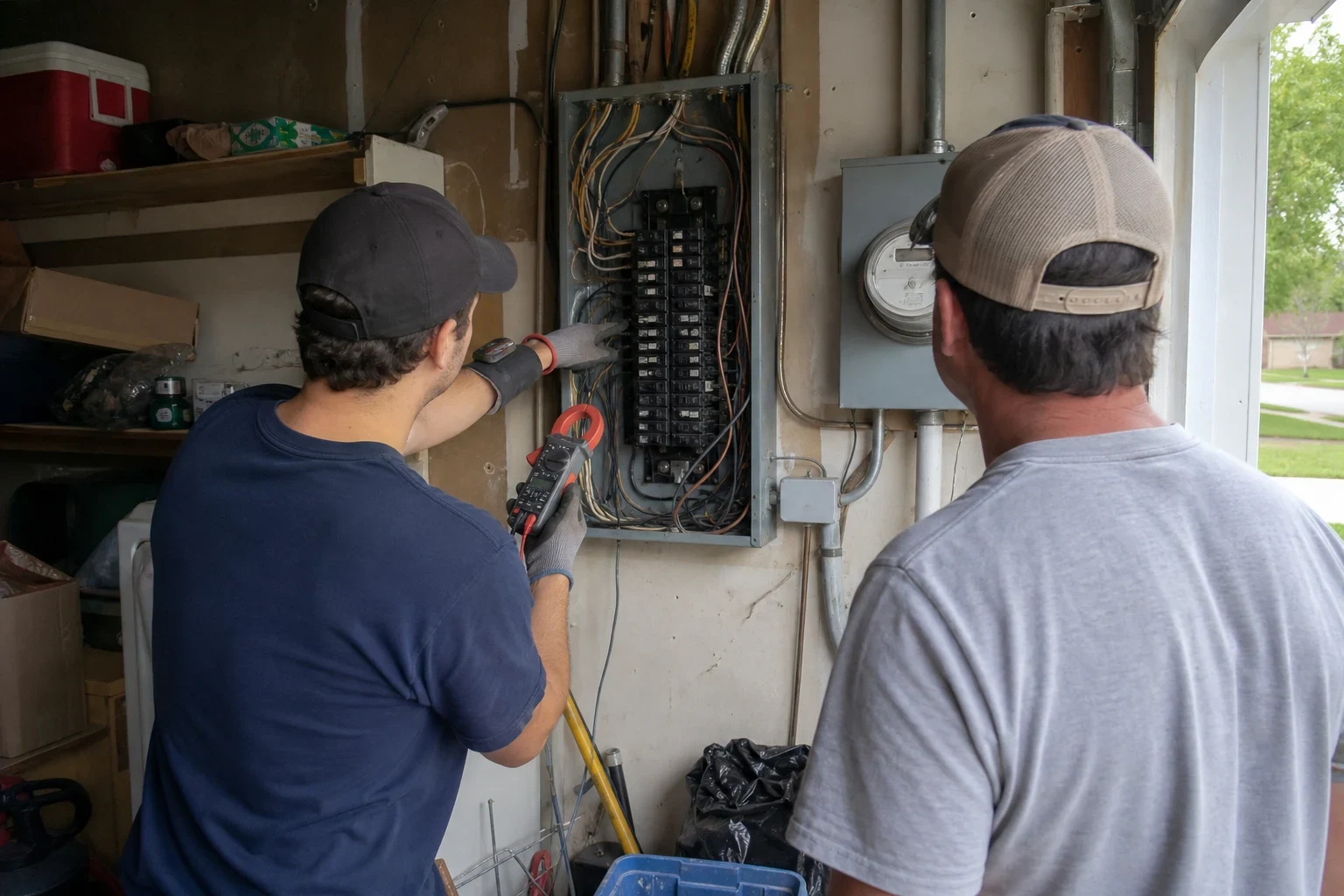
The panel is the step that often gets missed. A charger pulls a steady load for hours, frequently while the air conditioner is also running. We check that your service can handle it. If it can, the install is simple. If capacity is tight, we go over load management options and when a panel upgrade is the better route, and you make the call with the facts in hand.
Charging at home is also where you can lower running costs. Some electricity plans charge less overnight, and most chargers and cars let you choose a start time. We set up that schedule with you before we leave, so the car charges when power is cheapest and the house uses the least.
What's part of the install
- Panel and load review
- We check your service size, the breakers in the panel and the major loads in the house, then confirm what charger amperage your system can safely handle.
- Its own 240-volt circuit
- New copper wire rated for continuous charging runs from the panel to where you park, on a breaker of its own. No other load shares it.
- Hardwired or plug-in
- We can hardwire the charger or put in a heavy-duty receptacle, with ground-fault protection where code requires it. We go over the pros and cons so you choose what fits your car and plans.
- Neat mounting and wire runs
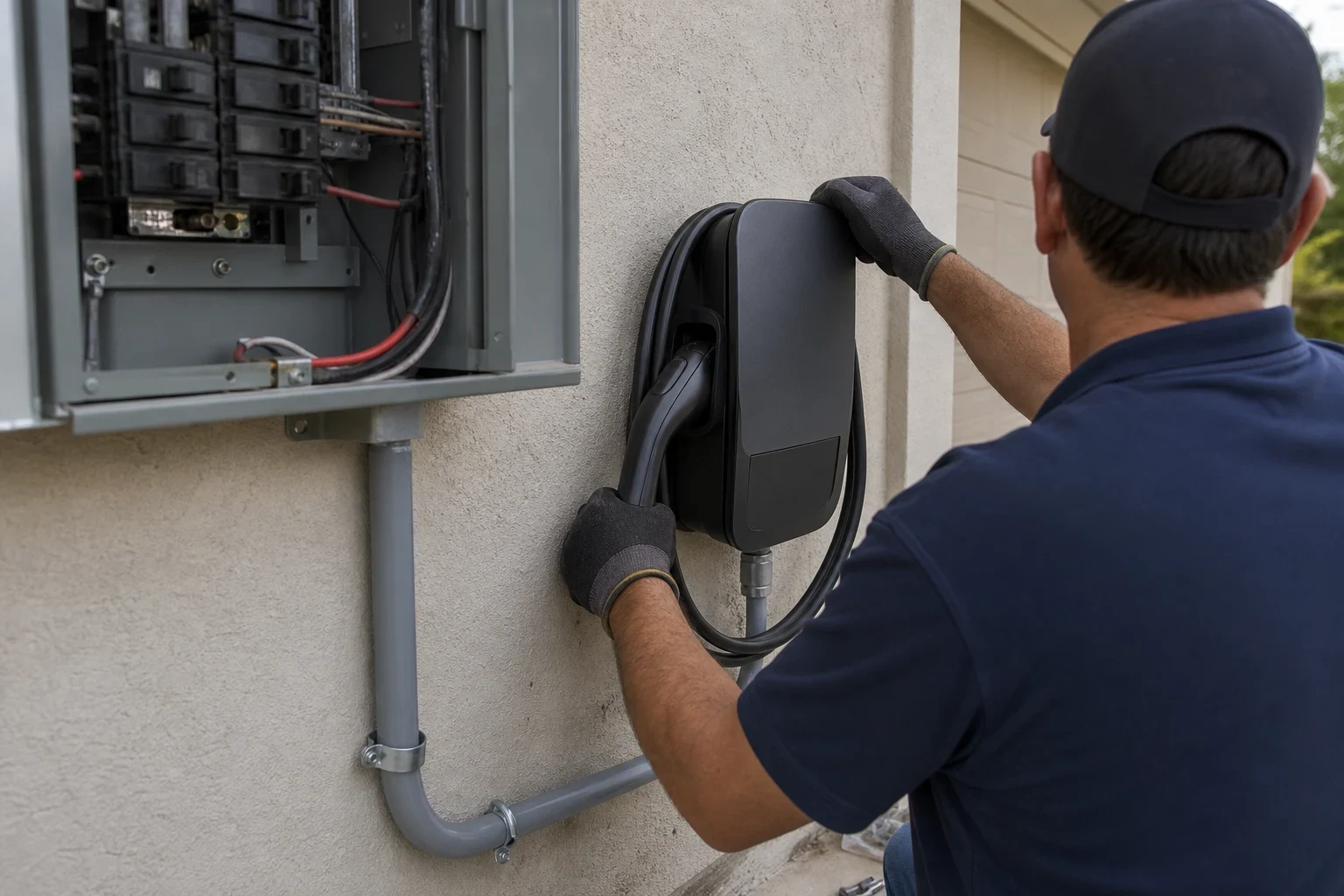
- We mount the charger at an easy height with a holder for the cable. Exposed wiring goes in tidy conduit, and outdoor work is sealed against rain and summer heat.
- Permit and inspection
- We take care of the permit and inspection the local jurisdiction requires, and we are on site when the inspector arrives.
- First charge and schedule setup
- We test the circuit, charge your car on it and show you how to set scheduled charging in the app or the car's settings.
Signs it is time for a dedicated charger
A new EV is on the way
Planning the circuit before delivery means you charge properly from the first night instead of making do with the cord in the trunk.
The standard cord cannot keep up
A 120-volt outlet adds only a few miles per hour. If the battery is lower each morning than the night before, Level 2 fixes that.
You are using an extension cord or a dryer outlet
Extension cords and borrowed appliance outlets are not built for hours of steady charging. Please stop using them until a proper circuit is in place.
Breakers trip while you charge
Tripping when the car and the air conditioner run together means the circuit or panel is overloaded. We find out which and fix the cause.
A warm or discolored outlet
Heat marks around a plug point to a loose or undersized connection. Unplug it and have us look at it as part of electrical repair before you charge again.
What shapes the price
Every charger install shares the same basic parts, but homes differ in what sits between the panel and the parking spot. We price from what we see on the visit and list it line by line. If something changes once walls are open, we tell you before doing extra work.
Distance from the panel
A panel on the garage wall makes for a short run. A panel across the house means more wire, more conduit and more labor.
Panel capacity
If your service has room, cost stays modest. If it does not, load management equipment or a panel upgrade adds to the job.
Charger amperage and type
Higher amperage needs heavier wire and a larger breaker. Hardwired units and receptacles differ in parts and setup.
Walls and exterior work
Fishing wire through finished drywall, drilling through brick, or running to a driveway pedestal all take more time than an open garage stud wall.
Permit requirements
Permit and inspection fees vary by jurisdiction, and we include them in your estimate so they are not a surprise.
How a charger install runs
- 1
A short phone conversation
Tell us your car, the charger you have or want, and where you park. We book a service visit at a time that suits you.
- 2
The site visit
We open the panel, measure the route to your parking spot and note any walls, brick or finished ceilings in the way. You get a written estimate that lists each part of the job.
- 3
Permit and scheduling
Once you approve, we file for the permit where required and set an install date.
- 4
Install day
Power is off to part of the house for a few hours while we tie in the circuit. We protect floors, keep the garage tidy as we go, and clean up drywall dust and conduit offcuts before we test with your car.
- 5
Inspection and handover
After the inspection, you get the paperwork and a charger set to the schedule you chose.
Questions about EV chargers
Can my charger go in the garage?
Yes, and that is where most go. We put it near the side of the car with the charge port and run the wiring as directly as the framing allows. Detached garages work too, with a longer run.
Do I need a new panel?
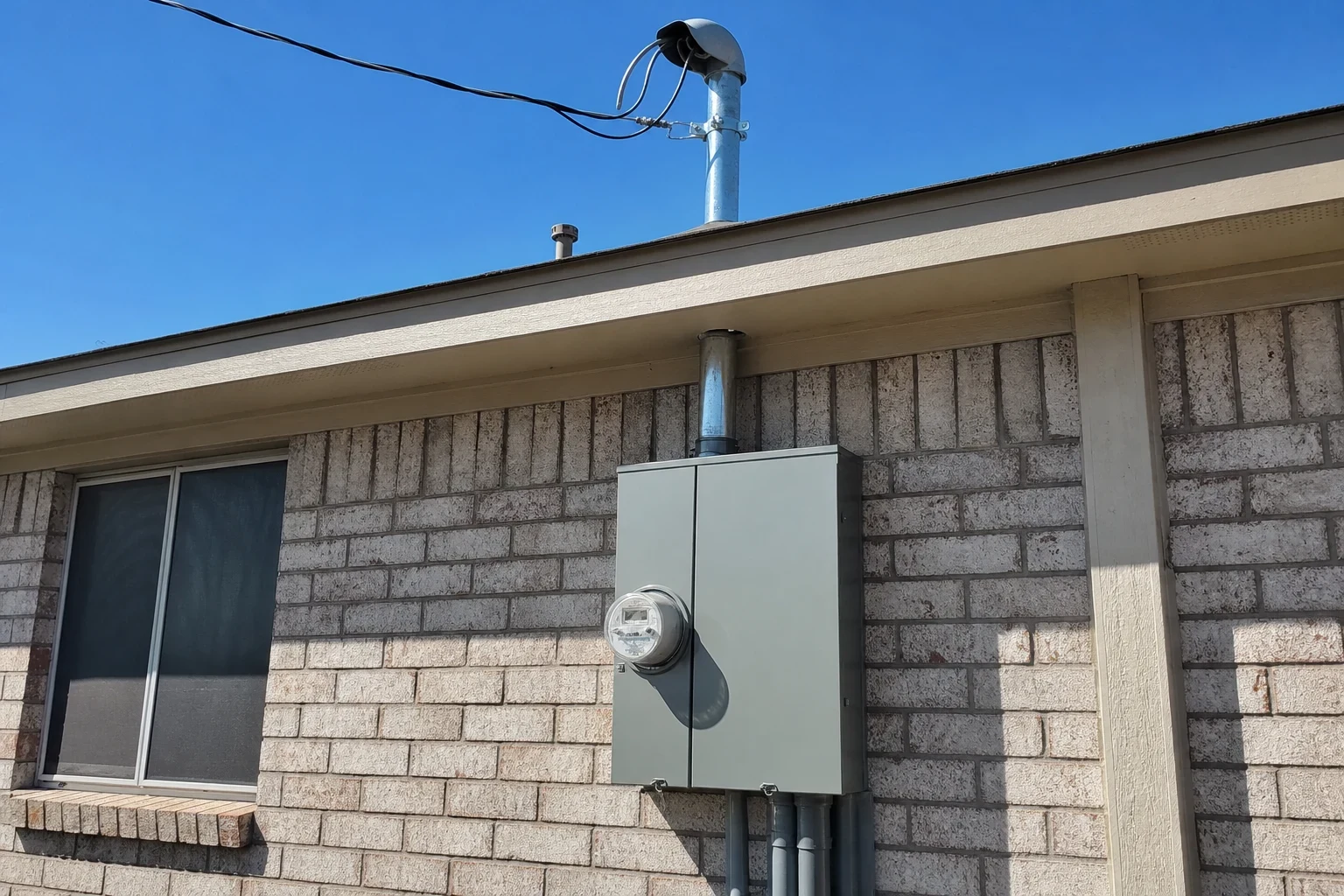
Not necessarily. Plenty of homes have room for a charger at a reasonable amperage. We run the numbers during the visit and tell you straight whether your panel can carry it, whether a smart load device will do, or whether an upgrade makes more sense long term.
Do I buy the charger before your visit?
Either way works. If you already own one, we confirm it is safety listed and matched to the circuit. If not, we can go over which amperage suits your panel and your driving, so you are not paying for capacity you cannot use.
Can I put the charger outside near the driveway?
Yes, using an outdoor-rated unit and weatherproof connections. We mount it clear of standing water, seal each hole through the wall and keep the cable out of the path of tires.
How long is the install?
With room in the panel and a short run, most installs wrap up in one day, and the inspection is booked after. Long runs or panel work add time, and your estimate gives a realistic plan.
Start charging at home the right way
Tell us about your car and where you park, and we will look at your panel and give you a clear written plan.