ServicesSurge Protection
Surge Protection for River Oaks Homes
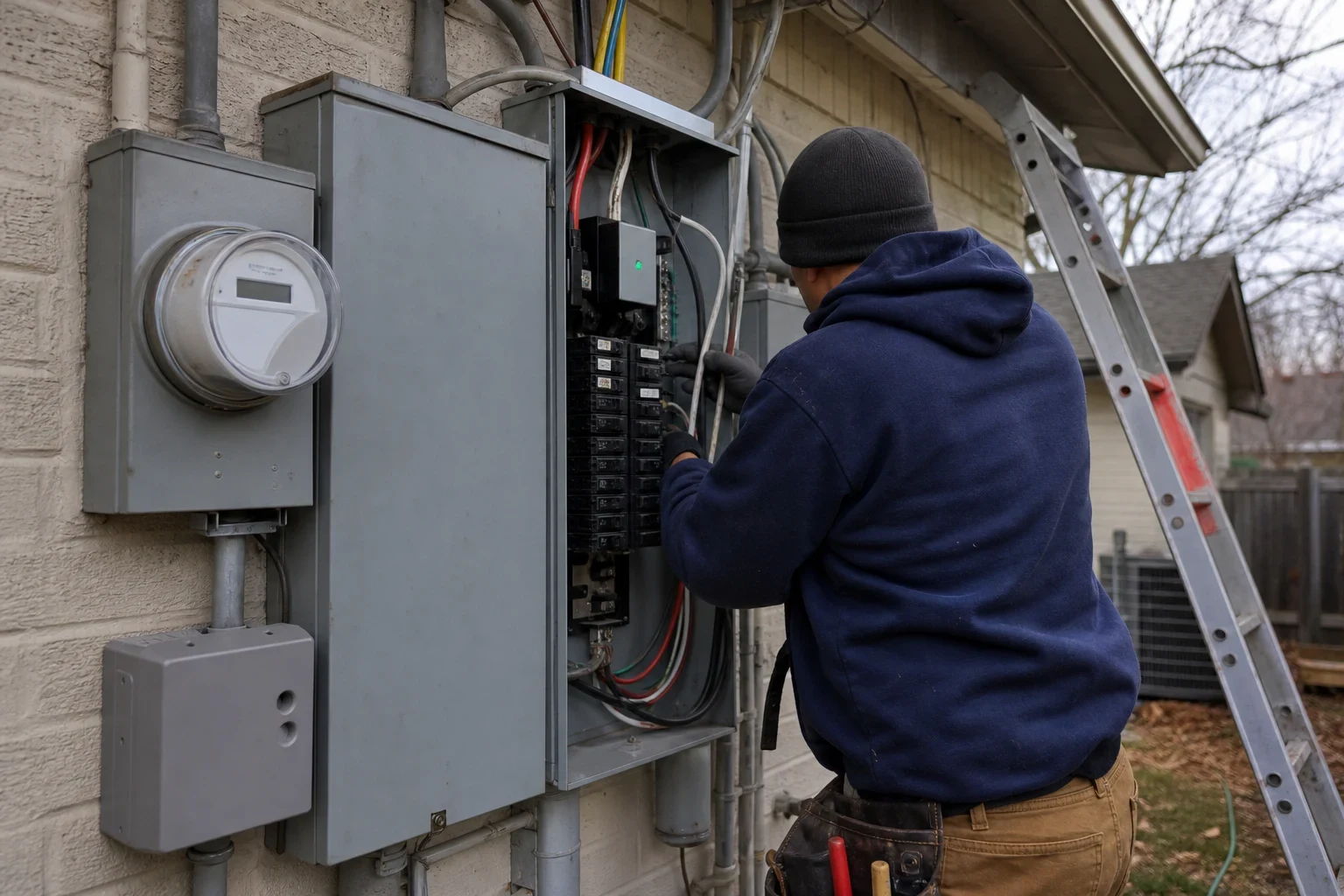
We install whole-home surge protective devices at your electrical panel, check the grounding they rely on, and advise on point-of-use protection for the equipment that matters most. The goal is to keep the circuit boards in your HVAC system, appliances and electronics working for their full life.
What a whole-home surge protector does
A surge protective device mounts at or beside your main panel and diverts brief voltage spikes to ground before they travel down your branch circuits. Most surges are not lightning strikes. They come from utility switching, strikes on nearby lines, and large motors in your own home cycling on and off, such as an air conditioning compressor.
Those small, repeated spikes wear down electronics a little at a time. Variable-speed air handlers, inverter-driven heat pumps, refrigerators and washers all run on control boards, and those boards are what let the equipment run efficiently. Protecting them keeps your systems operating the way they were designed, which keeps comfort steady and running costs where they should be.
A panel device is the first layer, not the only one. We will tell you plainly where plug-in protection still makes sense, like behind a home office desk or an entertainment center.
What comes with our surge protection work
- Surge device mounted at the panel
- We fit a Type 1 or Type 2 device matched to your service and connect it with short, direct leads. The length of those leads matters, since each added inch lets more of a spike pass. We keep them short and tidy.
- Grounding inspection
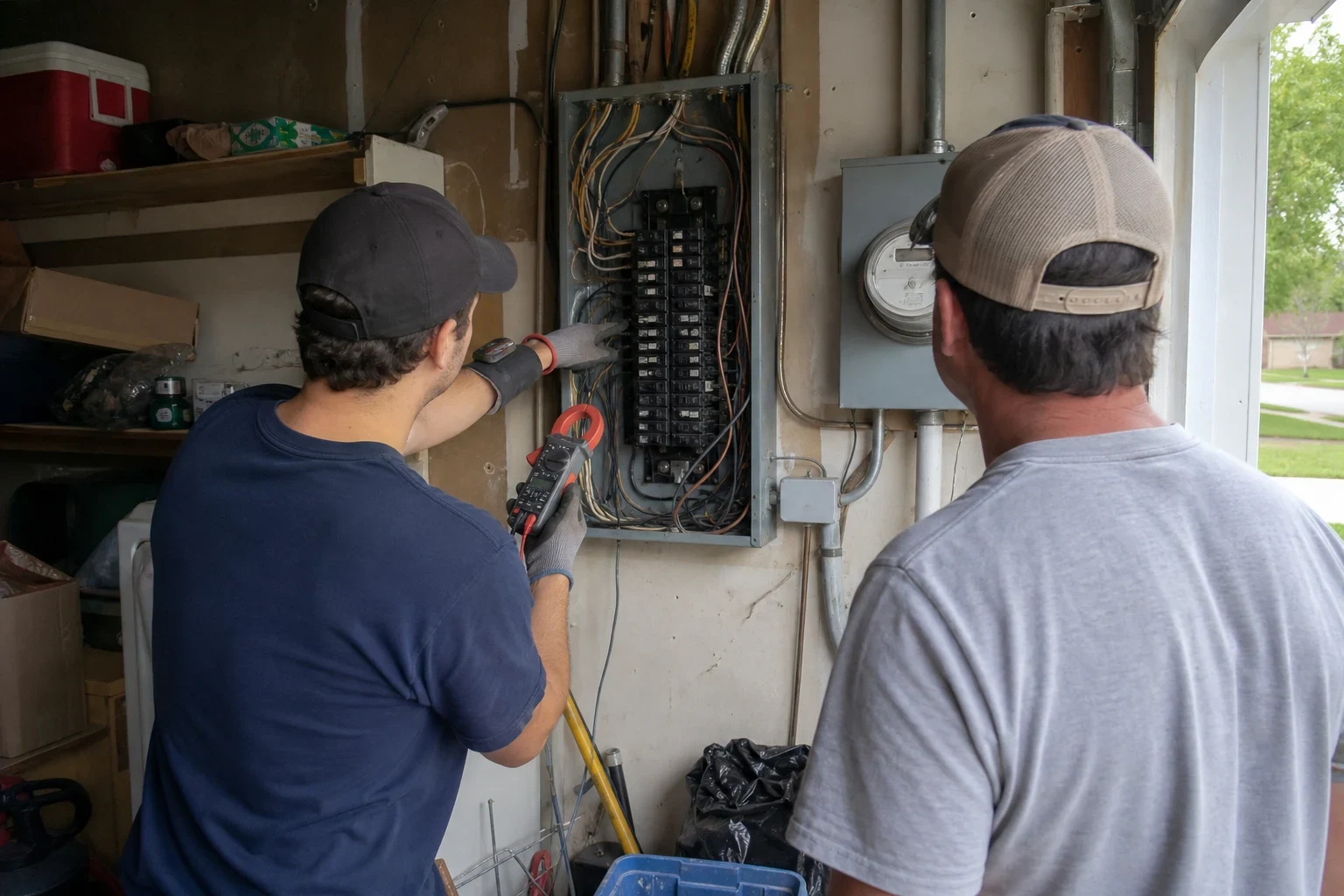
- A surge device can only shed energy as well as the grounding system allows. We check the grounding electrode conductor, the ground rod connection and the ties to your metal water and gas piping, and fix anything loose or absent.
- Panel room and condition
- The device requires its own breaker or lug connection. If your panel has no space or is aging, we go over your choices, including whether a panel upgrade should happen first.
- Grounding for cable and phone lines
- Surges can also enter on cable, satellite and phone lines. We make sure those lines bond to the same grounding point as your electrical service, so devices connected to both power and data are not stuck between two paths.
- Guidance on plug-in protection
- We show you where plug-in surge strips truly help your sensitive electronics and which ratings matter, so you only buy what is useful.
Signs your home could use surge protection
Electronics failing early
Chargers, routers, TVs or smart thermostats that quit years before they should often point to repeated small surges.
Lights dip when the AC starts
A brief flicker when a compressor kicks on shows large loads disturbing your circuits. That same switching sends spikes back through the wiring.
A storm already took something out
If a North Texas thunderstorm has cost you a board in the furnace, garage door opener or pool equipment, the next one can do the same.
New high-value equipment
A new high-efficiency HVAC system, EV charger or induction range carries electronics worth protecting from the first day.
No device at the panel
If you open the panel door and see no surge device in a breaker slot or mounted alongside, your home is relying on plug-in strips alone, if anything.
How a surge protection visit runs
- 1
Book by phone
Tell us about your panel, any recent failures and the equipment you want protected. We schedule a service visit at a time that suits you.
- 2
Inspect the panel and grounding
We open the panel, check the service size, available space and grounding path, and test the connections. You see what we find before any work starts.
- 3
Agree on the plan
We explain which device fits, where it will mount and any grounding fixes needed, with the cost laid out before we begin.
- 4
Install and tidy
Power is off only briefly while we connect the device. We dress the wiring cleanly, label the breaker, restore power and confirm the status lights.
- 5
Permit and handover
Where the local jurisdiction requires a permit or inspection, we handle it. Before we leave, we show you the indicator and how to check it after a storm.
What affects the cost of surge protection
Most surge protection jobs are modest in scope, and the price follows a few practical things. We give you the cost before work begins, so nothing changes once the panel cover comes off.
- Device type and rating
- A Type 1 device at the meter or a Type 2 inside the panel, along with its surge current rating, sets the parts cost.
- Panel space
- An open slot keeps it simple. A full panel may need breaker rearranging or a conversation about upgrading.
- Grounding repairs
- A corroded ground rod clamp or a water line that was never tied into the grounding system adds time and material, and it is worth fixing either way.
- Location and access
- A panel in a tight closet or behind cabinetry takes longer than one on an open garage wall. Outdoor installs at the meter depend on how the service is set up.
- Permits
- When a permit is required, its fee and the inspection are part of the job.
Common surge protection questions
Something not covered here? (682) 397-7909
Can a whole-home surge protector handle a direct lightning strike?
Nothing can guarantee that. A direct hit delivers more energy than home protectors are designed to take. Where a panel device shines is the much more frequent surges from nearby strikes, utility switching and your own appliances, which do most of the gradual damage.
Are plug-in surge strips still useful with a panel device?
For delicate electronics we generally suggest using both. The panel device absorbs most of an incoming surge, and a quality strip catches the remainder along with spikes that start inside the house. The two work as layers.
How long will the install take?
A few hours covers most jobs, grounding check included. The power is off only while we tie into the panel. Grounding repairs or a packed panel can stretch the time, and we let you know before we begin.
Will surge protection reduce my power bill?
Not directly, because your equipment draws the same power either way. What it does is guard the control boards in efficient equipment, so a high-efficiency AC system or variable-speed pool pump keeps working as designed rather than failing early and forcing a rushed replacement with whatever unit is on hand that week.
How can I tell the device is still protecting my home?
Most devices have indicator lights. When a light changes or goes dark, the protective parts have taken all they can and the unit should be replaced. Before we leave, we show you what to watch for.
Protect the equipment you have already invested in
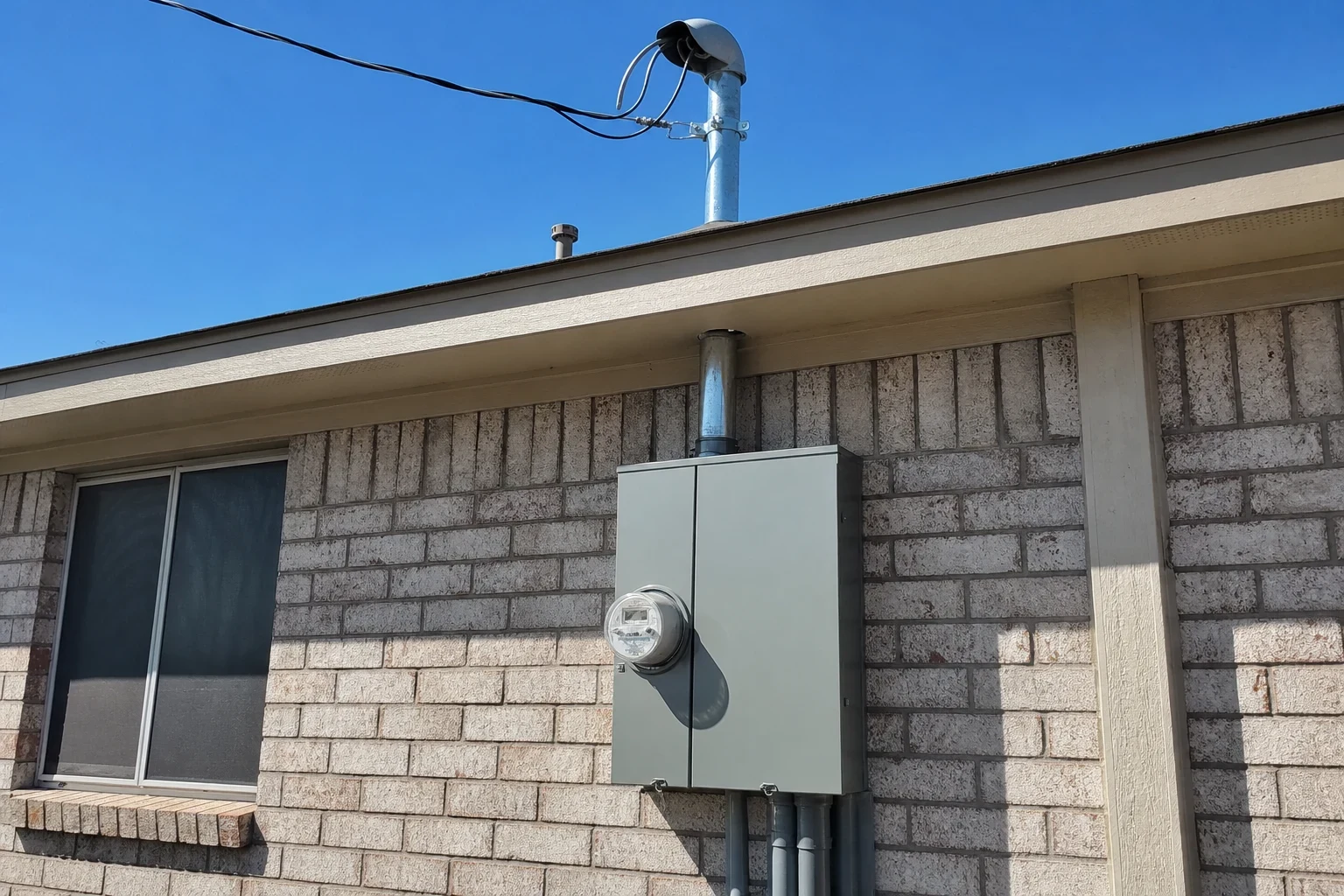
One visit covers the device, the grounding behind it and straight advice on what else is worth protecting. We work in River Oaks and nearby towns including Fort Worth, Sansom Park and White Settlement.